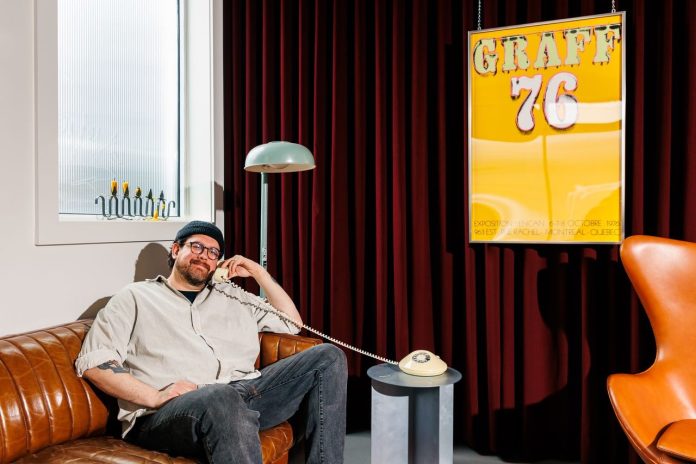

Matías Muñoz has transformed the 100-year-old former Re-Cycles building at 473 Bronson Avenue into Fono, a multi-faceted music venue and bar he hopes will become “Centretown’s living room.”
Inspired by Japanese vinyl listening venues known as kissa, where the focus is on deep appreciation of music in a comfortable social setting, Fono is equipped with high-fidelity systems custom built by Montreal’s Automatic Audio. The system is “calibrated for an optimized audio experience,” Muñoz says, and has the capability to deliver superior sound from both vinyl and digital sources.
“They did a great job at building the speakers from scratch and putting together a system that is perfectly tuned for the room,” said Muñoz. “We want people to really feel the music all around them. No matter where you sit or stand in the hifi lounge it is an amazing experience. Even when it is a full house you can still hear the music crisply. But you can also talk to the person next to you.”
Listening-bar style venues like Fono are still relatively rare in Ottawa but have been growing in popularity across North America as audiences look for more intentional music experiences that sit somewhere between a concert hall and a neighbourhood bar.
In addition to the main lounge, Fono has a separate ballroom designed to host a wide range of events, from weddings and private dinners to concerts and DJ nights. Muñoz notes the sound delivery between the lounge and ballroom can operate individually or uniformly depending on the event.
Originally from London, Ontario, Muñoz founded the music blog Ottawa Showbox, where he reviewed and promoted local shows. His DIY music venue Cinqhole unfortunately closed shortly after opening due to the pandemic. Muñoz currently heads Green Room Rehearsal Studios, and says with Fono he hopes to provide an “elevated experience” building on “lessons learned.”
That vision also includes experimenting with new ways to support performers. Muñoz has previously explored revenue-sharing approaches with artists and hopes the venue can help strengthen Ottawa’s independent music ecosystem at a time when several smaller performance spaces have disappeared or shifted formats in recent years.
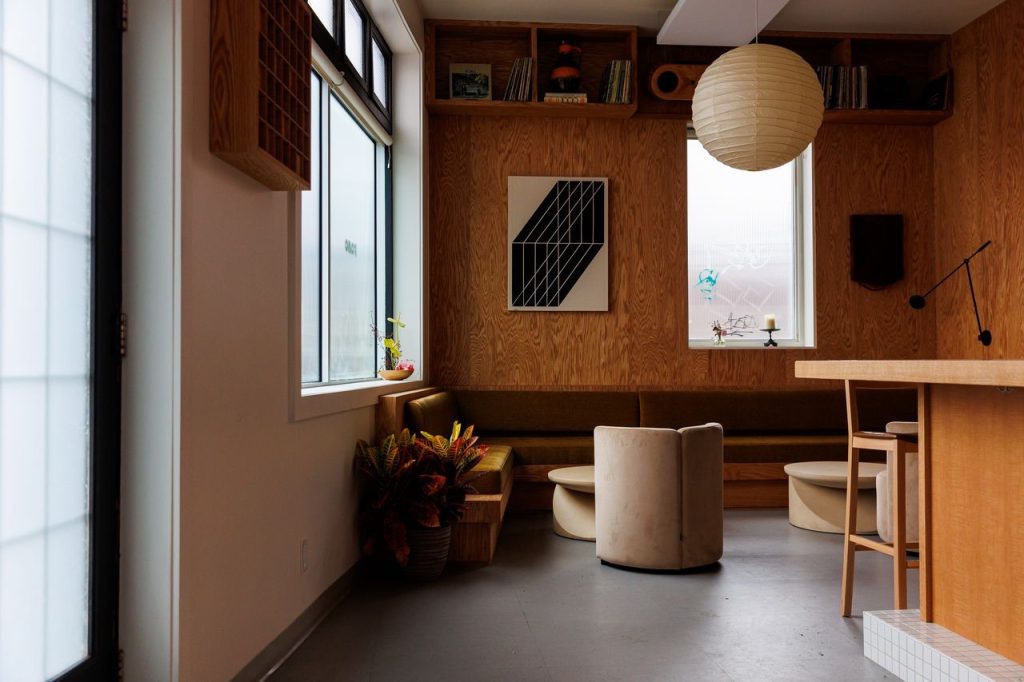
The evolving menu by chef Pat Muir consists of small-plate sharables designed to encourage conversation and connection.
“We are trying to rely as much as we can on local produce, along with different treats from local dessert makers,” Muñoz said. Fono will also be open during the day with coffee and sandwiches.
The “simple but refined” cocktail list by Claire Murphy features drinks named after defunct Ottawa music clubs like Zaphod Beeblebrox.
“Venues that are gone but not forgotten,” Muñoz explained. “We want to pay homage to those places that for some of us were very close to our hearts.”
Opening night on April 10 was a “beautiful” full house, Muñoz recalled.
Ming Wu, founder of Ottawa music blog photogmusic.com, attended and praised Fono’s sound system.
“The space is very modern, spacious and comfortable with cool furniture too,” Wu said.
Long before it became a music venue, the Bronson Avenue building was well known to many cyclists across Ottawa’s west end as the longtime home of Re-Cycles, the volunteer-run community bike shop that helped generations of riders repair and rebuild bikes. Its transformation into a listening lounge marks a new chapter for a space that has long supported grassroots culture in the city.
Even earlier, the building housed a handmade gravestone business. Many heavy epitaphs still haunt the basement, although Muñoz paid to physically exorcise some of the stones.
“There is a whole portion of the basement that is closed off and full of gravestones,” Muñoz said, joking he could start a haunted tour. “There is a creepy feeling down there.”
Upstairs, Muñoz hopes to create a vibrant community atmosphere. The majority of Fono’s staff live in Centretown, and Muñoz himself has called the neighbourhood home for nearly half his life. He sees the venue as part of a broader effort to rebuild social connections through shared cultural spaces — something that resonates across Ottawa neighbourhoods still rebuilding post-pandemic gathering habits.
“We hope people see this as an opportunity to reconnect to music and community,” said Muñoz. “Community has enriched my life in so many ways. Coming out of the pandemic a lot of people forgot how important connection is for our mental health and our overall community health.”