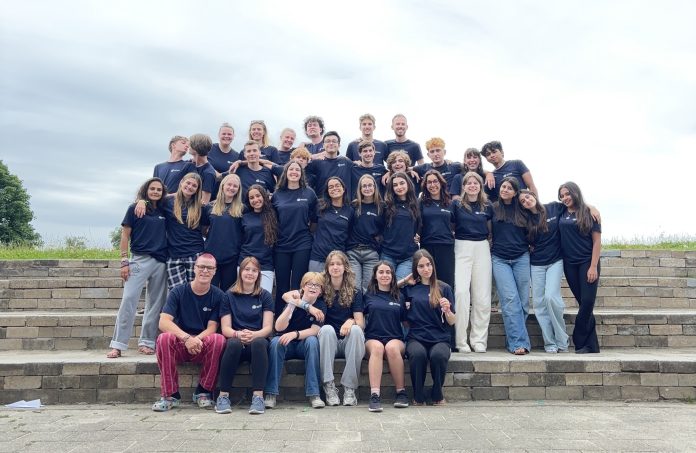

In July of 2024, 17-year-old Sasha Pach travelled to Midtjylland, Denmark with three other teens and a young adult chaperone in order to join similarly sized delegations from around the world. They would spend the next twenty-one days exploring global issues “through activities, in-depth discussions, and social interactions.”
Pach and her friends are part of the Ottawa chapter of Children’s International Summer Villages (CISV), an organisation founded in 1951 by the American psychologist Dr. Doris Allen in response to the aftermath of WWII and the changing global order.
Dr. Allen believed “that the ultimate source for peace, long range, lay with the children.” She went on to develop a variety of summer programs for youth aged 11 to 17, designed to bring together participants from around the globe to learn with and from each other about building a just and peaceful world.
CISV’s mission is rooted in its four Pillars of Peace: sustainable development, diversity, human rights, and conflict resolution — with each program building activities and guided conversation topics based on them. Of its five programs, four are camp-based: Village (age 11), Youth Meeting (12–13), Step Up (14–15), and Seminar Camp (16–17). The fifth, Mosaic, is a community-based program “delivered in cooperation with local partner organisations.”
Pach first participated with CISV at age nine as a local volunteer after her mom discovered the organization on Facebook. In 2019, she travelled to Brazil for the month-long camp, Village.
“It was one of the most incredible things I’ve done. I still talk to some people from that camp and you learn so much,” she said. “We did a really interesting activity on stereotypes where you get a map of your country and it’s passed around to all the different groups, the delegations, and they write what they think about each country. And then we talk about that — and it really gets you thinking, at 11 years old.”
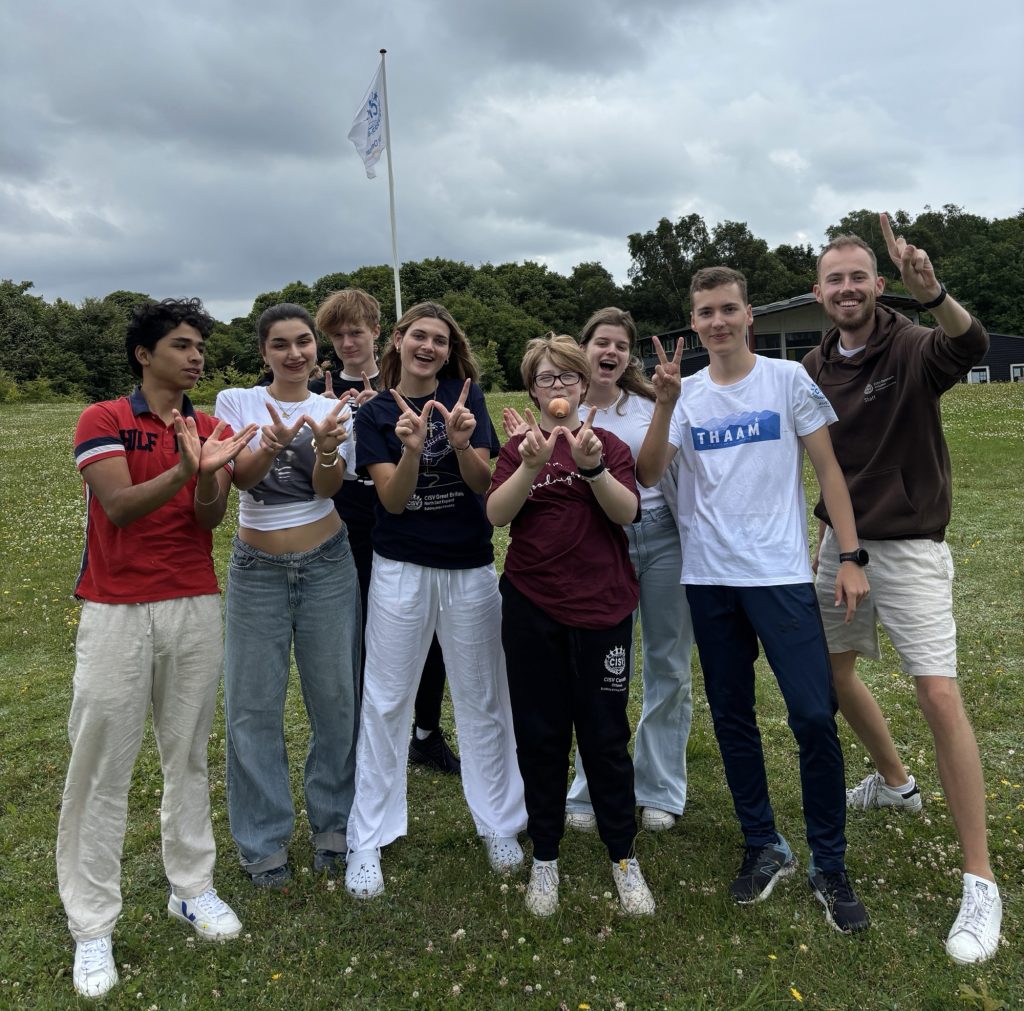
Pach has since participated in all the available programs. She now sits on the Ottawa Division Junior Board, helping organize the same kinds of local activities that launched her involvement years ago and has plans to volunteer as an adult chaperone for future delegations.
Like Pach, Quinnlan Guest, 22, began his CISV journey at age 11, attending a Village program in the Philippines. He went on to be a junior counsellor in Czechia at age 16 and served on the Ottawa Junior Board for a number of years. In July 2024, he led a delegation to Norway and is preparing to guide another delegation this summer to Brazil.
“It’s an intense period of growth that I was able to do at a younger age. Most people do this in university, that time of finding yourself outside of your family group,” he said. “The camps offer an exposure to other cultures and help you to think about who you are.”
He also emphasized that from the preparation for a trip, to the actual undertaking and beyond into the rest of life, the Pillars of Peace are relevant.
“They offer a worldly perspective. You make friends from around the world, maintain those connections, and you gain skills in peace education and conflict resolution,” said Guest. “And they don’t just apply to being a diplomat or a politician, but they apply to being a human being. I’ve definitely become a more resilient person.”
In the months leading up to travel, Guest met every two weeks with the children in his delegation to build trust and camaraderie. These meetings included community fundraising — such as selling maple syrup — and home visits to get to know the families.
Kim Banks Hart, Chair of the CISV Ottawa adult board and parent to three children who have participated in CISV programs, says this model of team building is valuable and essential for everyone.
“It gave me a lot of comfort getting to know the team. It makes a huge difference because you’re not just sending them with some random stranger. It’s someone who understands your child and understands your family. I was really confident that I was sending my child with someone who has the knowledge, the skills, the training, and the leadership to be able to make the right decisions in the moment if something goes wrong”.
Banks Hart said the programs have had a lasting impact on her children, noting that all of her kids have returned empowered to engage more fully with their communities and with issues of social justice and equity.
After a Youth Meeting in Brazil at age 13, her middle child became passionate about water conservation and energy use.
“She came back with friends from all over the world and talked about how water is used differently in South America,” she said. “So now we talk about how we use energy and the different levels of consumption across the world.”
Pach echoed that global awareness, particularly in relation to current events.
“With all of the stuff happening with Gaza and Israel… from my friends in Lebanon, I hear all of their stories about the bombings,” said Pach. “And it’s not just somebody that I don’t know. These are people that I know that are being affected by it. It hits on a whole different level because it’s not just somebody — it’s my friend”.
For Banks Hart, the real value of CISV lies in how it equips young people to navigate and engage with the world.
“It helps to make these connections as they go out into the broader world and bring back these perspectives,” she said. “Especially as they get older, the tools to be able to engage in sometimes really difficult discussions around things that impact people’s day-to-day lives, rooted in equity and human rights, I think are really going to serve them well for the rest of their lives.”