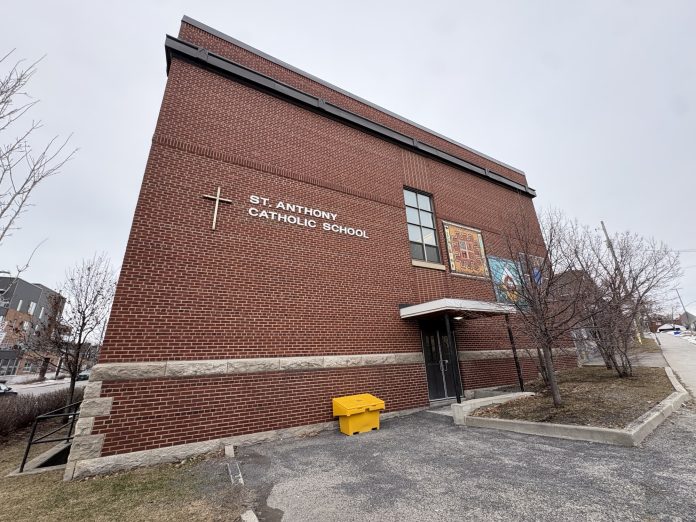

Some families in Chinatown and Centretown are being told their children’s walk to school is no longer considered safe enough to travel alone.
The Ottawa Student Transportation Authority (OSTA) is implementing a “community hazard designation” for five schools starting March 9, citing concerns about student safety along neighbourhood walking routes.
OSTA said it is responsible for adapting service when the surrounding environment poses a risk to student well-being. The decision follows regular staff observations and on-the-ground assessments of local walk routes.
In a written statement, OSTA said, “Community safety is fluid, and we will continue to monitor these zones in close collaboration with our member school boards. Designated routes are formally reviewed on a yearly basis, coinciding with our standard review of regular hazard zones.”
Somerset Coun. Ariel Troster said she understands why residents are concerned about issues such as public drug use and discarded needles in the neighbourhood.
“I’d like people to understand that what feels like a security problem, and sometimes can be, is really a public health emergency,” Troster said, “Removing supervised consumption and not immediately offering other solutions has created a real problem, particularly in Chinatown.”
“If people are not properly cared for, they become more desperate, they become less well, and then the community becomes less safe,” Troster continued.
The issue has taken on added urgency after the Ontario government confirmed on March 16 that it is withdrawing provincial funding within 90 days from seven supervised consumption sites, including programs operated by Ottawa Inner City Health and the Sandy Hill Community Health Centre.
The former safe consumption site at the Somerset West Community Health Centre closed last spring after being mandated to do so by the province. A HART Hub, known as a homelessness, addictions recovery treatment centre, opened in its place. Since then the community has reported an uptick in open drug use and discarded paraphernalia.
“Removing supervised consumption and not immediately offering other solutions has created a real problem,” Troster said.
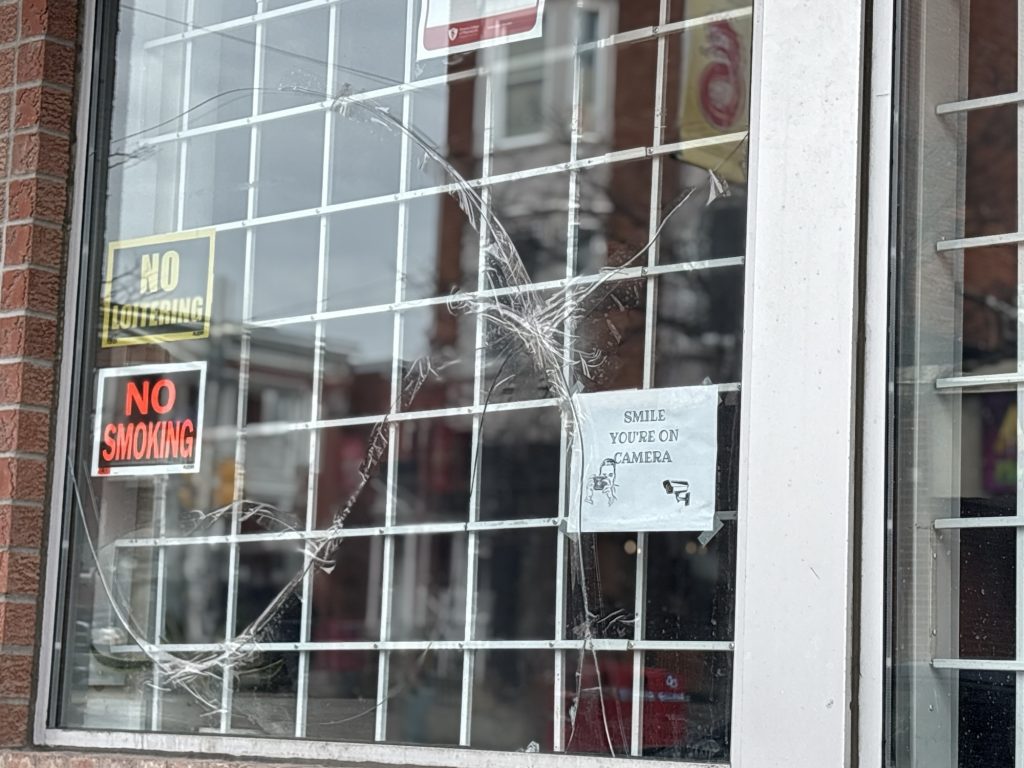
At the same time, a newer private safer-supply clinic operating nearby has become part of the debate around neighbourhood safety.
New Dawn Medical, which originally launched as Northwood Recovery and later moved to Somerset under its new name, operates a hybrid model combining virtual and in-person care. According to the clinic, all patients remain under the direct supervision of specialized physicians.
Troster said there are systemic problems with New Dawn Medical’s privatized safe supply program, people being prescribed huge quantities of narcotics by a virtual doctor who’s not seeing what’s going on outside those doors.
In a written statement, the clinic said, “Patients in our safer supply program must visit the clinic daily to receive their medications, and a significant portion is administered under the supervision of a pharmacist.”
“They also undergo regular testing to monitor for program compliance and diversion. These steps dramatically reduce the risk of diversion.”
For some residents, the language of the designation itself is also raising concerns.
Ryan Turley, chair of the Peaceable Neighbourhood Committee of the Dalhousie Community Association, said naming the area a hazard zone risks stigmatizing the community.
“Some of our constituents have complained of real estate values; maybe there’s a better way to address that than calling it a hazard zone.”
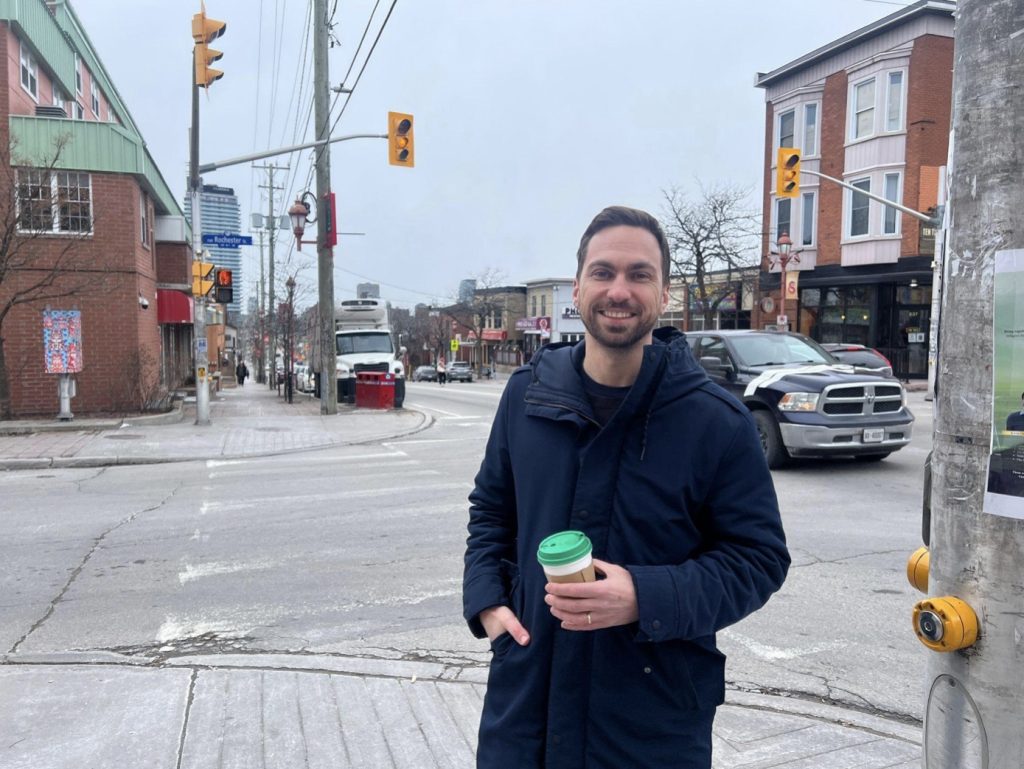
Turley, whose daughter attends Devonshire Community Public School, said his family often takes advantage of the neighbourhood’s walkability for daily routines.
Police statistics suggest drug-related offences have increased locally in recent years. According to Ottawa Police crime trends for Ward 14, the drug trafficking rate reached 62.98 per 100,000 residents in 2024 — a 63.2 per cent increase in incidents compared to the previous year.
During the same period, the possession rate climbed from 66.72 to 89.39, contributing to a rise in total Controlled Drugs and Substances Act offences from 106.34 to 152.38 within a single year.
City-led outreach efforts are also expanding in response.
Various programs and support initiatives are being implemented to improve neighbourhood conditions, including ANCHOR and the downtown outreach strategy, which aim to provide a 24-hour non-police response for mental health and addiction crises. Ottawa Police’s CORE spot policing program is also expanding into Chinatown and Centretown, allowing residents to report non-emergency incidents online.
“To have a safe neighbourhood community for all of us, we need all levels of government to care about Chinatown and to care about Centredown,” Troster said.
Some residents say changes to how public spaces are used could also improve safety.
Turley said he would love to see the city activate neighbourhood spaces in ways that discourage unsafe activity.
“If it’s an empty lot sitting like that, and it’s kind of dirty, and it’s whatever people think they can go do whatever they want there,” Turley said.
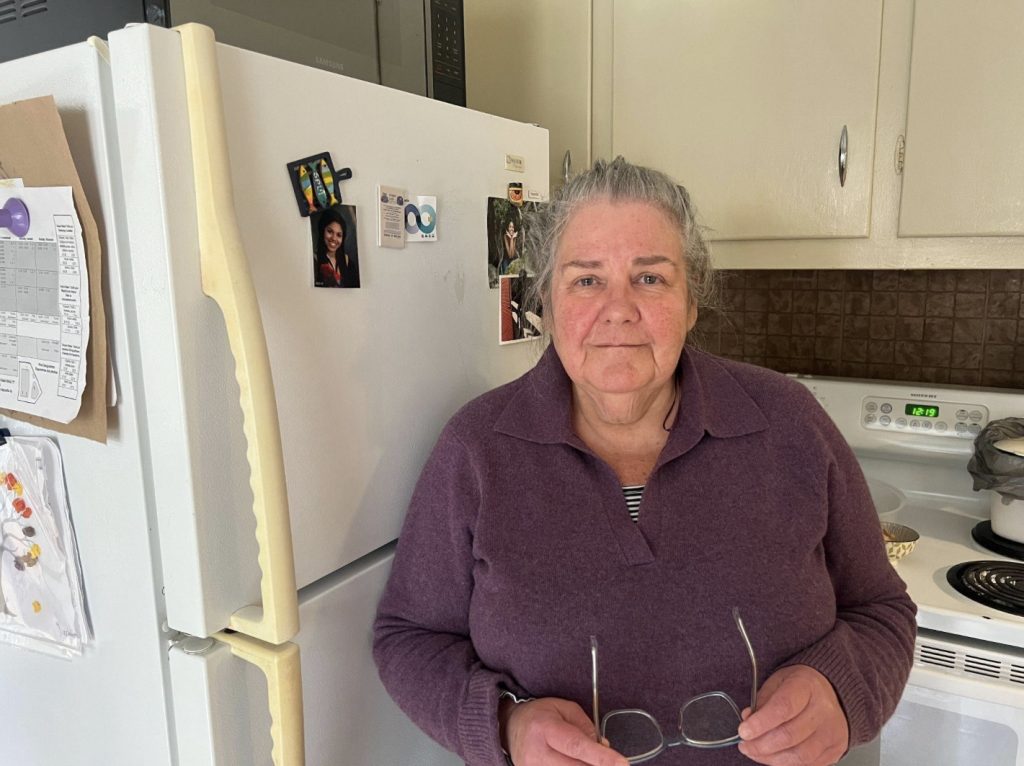
For longtime Chinatown resident Sheri Arnott, the designation is both discouraging and potentially useful in drawing broader political attention to the situation.
“The city is allowed to push it away, our mayor doesn’t have to take it up, because it’s not his jurisdiction, it’s the provincial,” Arnott said. “I’m supportive of long-term solutions, but we can’t just wait for them. We need some immediate relief from this situation.”
“I think the biggest issue is that coordinated response, and if that coordinated response actually exists, so coordinated multi-disciplinary response,” she continued.