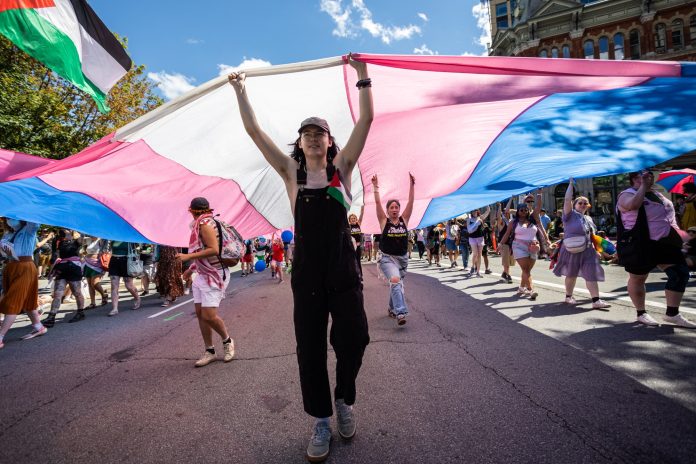

It is often said that trangender rights are about three decades behind gay rights. Possible accounts of transgender lifestyles date back to before the mediaeval times, but the term itself goes back to the 1950s.
Gender Mosaic was formed in 1988 as an Ottawa-based trans social and support group, the first of its kind in Canada. It started off small and in secret. Crossdressers and transsexuals were vetted, meeting inside homes and restaurants.
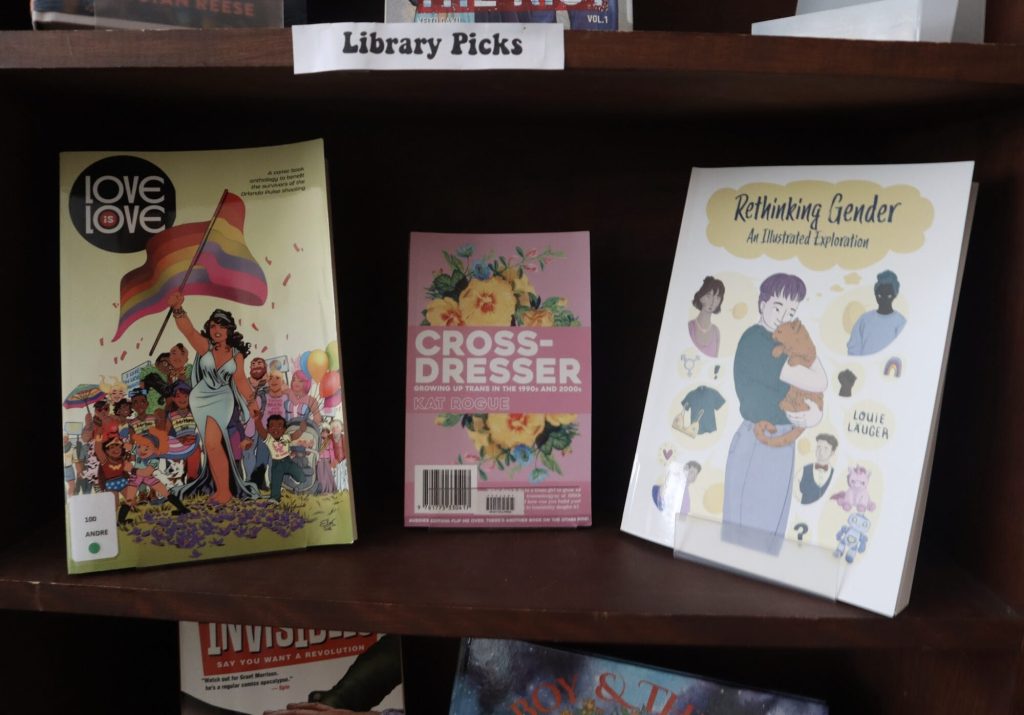
Tara Sypniewski was one of the founding members. Today she operates Wellington West’s Ottawa Trans Library, a safe space where members and allies of the community are able to gather to read about a forgotten history while meeting others with shared experiences.
“I know what it was like when I was young and it was very hard. We have a lot of young people coming in and it’s a pay it forward kind of thing. You can’t forget about where you’ve been,” Sypniewski told KT. “Trans people get erased a lot but we’ve actually been around for a long time. History is a reflection of that and it tells people what we were doing. It could have easily been lost.”
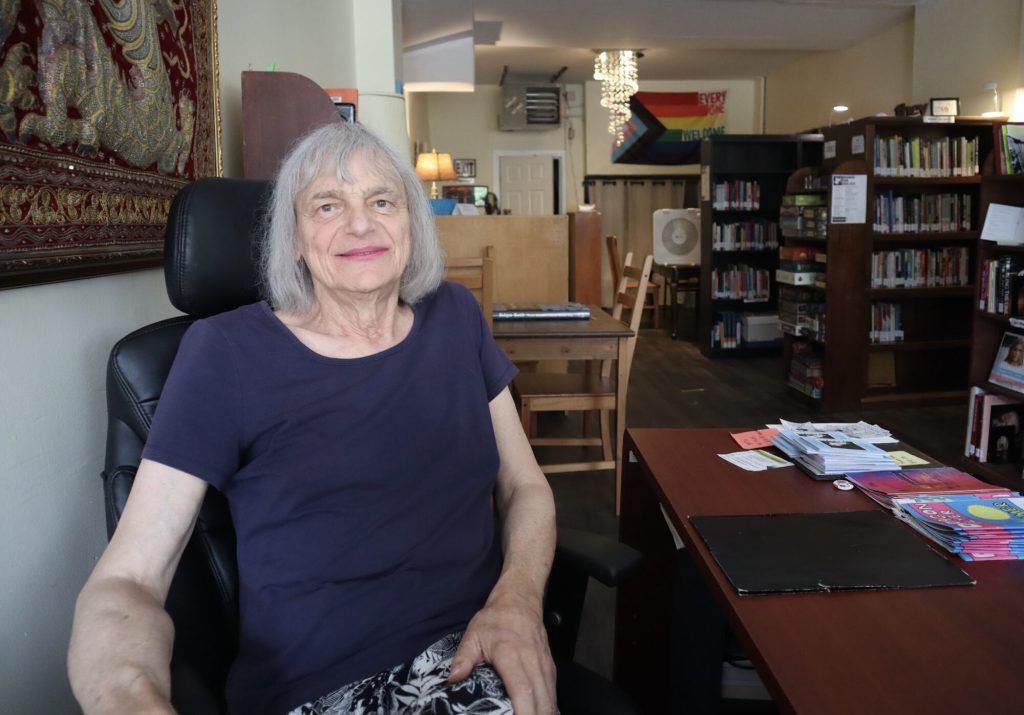
Sypniewski also founded Trans Ottawa, a website that documents the history of transgender people in Ottawa. The librarian herself had to put on the false facade of a man at work for fear of losing employment. That double life persona lasted decades until she fully transitioned about eight years ago.
In early days, Clarke Institute in Toronto was formed to help people transition. Except that didn’t really happen. Its whole reason for existing was to deny treatment to trans individuals, admitting later at a human rights tribunal that they rejected over 90 per cent of people who asked for help.
“For me it was a question of coping. I was living relatively freely on one hand, but I wasn’t living fully as myself,” admitted Sypniewski. “Part of the reason I started doing all this is for coping and to help the community along in whatever way I could.”
In the last decade, trans rights have improved, but there’s still a long way to go.
In June 2017, government passed Bill C-16, which amended the Canadian Human Rights Act and Criminal Code. It prevents violence and discrimination against individuals on the basis of gender identity or expression “within the sphere of federal jurisdiction.” Gender identity is now defined as a person’s “sense of being a woman, a man, both, neither, or anywhere along the gender spectrum.”
But while progress has been made, there’s no guarantee it will not be reversed.
In Saskatchewan, a bill was passed last year requiring students to get parental consent to change their pronouns. Alberta Premier Danielle Smith changed policy to ban hormonal treatment, puberty blockers and gender-confirmation surgery for children 15 years old and younger – the most restrictive rules on gender confirmation in Canada.
Rebecca Bromwich, an adjunct professor with the Department of Law and Legal Studies at Carleton University, says that when governments give permission for citizens to be homophobic, people will run with it.
“One of the things I have been surprised by is how much homophobic redirect my kids were hearing. It shocked me because there has been so much legal change, but kids still catch on to what’s happening in culture.,” said Bromwich. “I would say relative to other places Ontario and Canada right now are generally better places for people who are in the LGBTQ+ community, however that’s not static and we should never assume a narrative of progress. Look at what happened with reproductive rights in the United States in the last couple of years.”
This article first appeared in the August 2024 issue of the Kitchissippi Times.