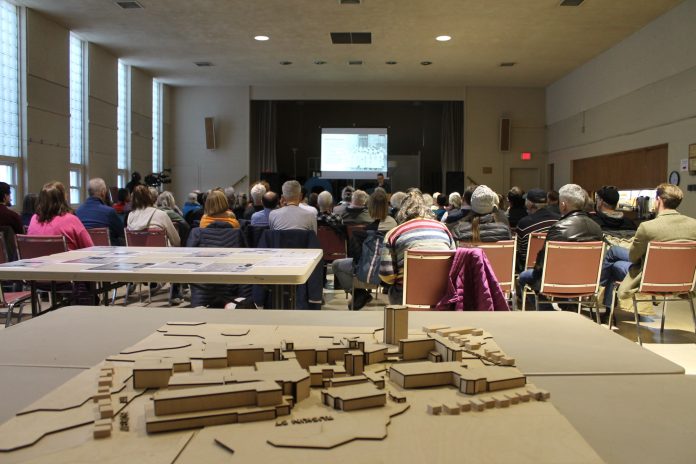

As construction moves ahead on The Ottawa Hospital’s new Civic campus at Dow’s Lake, the future of the original 1924 Civic Hospital building on Carling Avenue and the former nurses’ residence — now home to the Parkdale Clinic — remains uncertain.
Community members are now urging the city to formally designate both buildings under the Ontario Heritage Act before a provincial deadline in 2027 removes them from Ottawa’s heritage register.
Members of the Civic Hospital Neighbourhood Association say the designation would help ensure the buildings can be protected and thoughtfully integrated into whatever replaces the aging hospital campus.
Matt Lemay, chair of history and heritage for the neighbourhood association, has been helping lead the push as changes introduced through Bill 23 — the More Homes Built Faster Act — reshape how municipalities manage heritage properties across Ontario.
“What this amendment to the Ontario Heritage Act did through Bill 23 was that if you had no intent to designate buildings on municipal heritage registries by Jan. 1, 2027, they’d have to be removed and they cannot be re-listed on the registry for five years,” Lemay told KT.
To help spark public discussion about what could come next for the site, the Civic Hospital Neighbourhood Association hosted an information session April 20 at Kitchissippi United Church focused on the conservation and future reuse of the original Civic Hospital building and the former nurses’ residence.
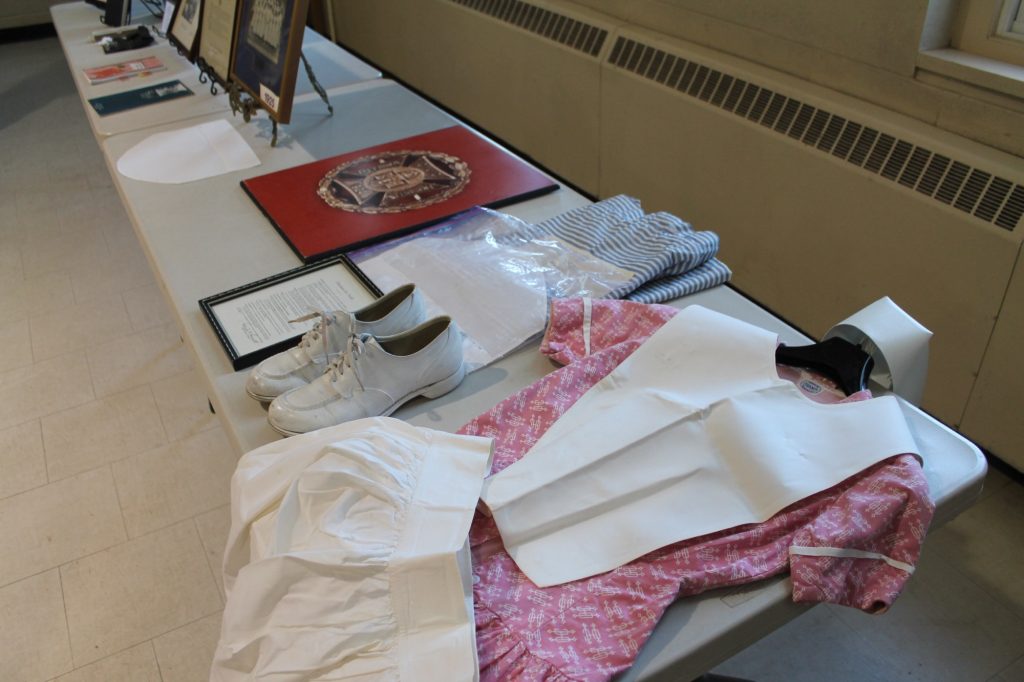
The evening also explored how heritage designation could help ensure the buildings are protected and thoughtfully integrated into any future redevelopment of the campus while continuing to support healthcare uses.
The event highlighted the legacy of the Ottawa Civic School of Nursing, which operated from 1925 to 1974 and trained more than 4,000 nurses who went on to work at the Civic and across the globe.
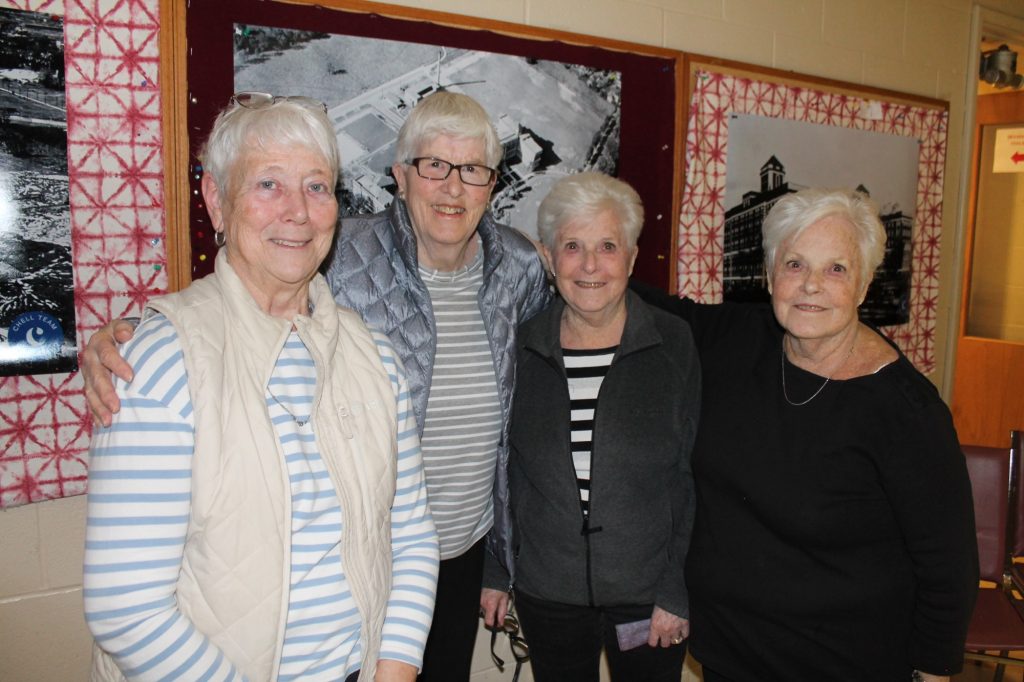
Lynne Delorme was one of those graduates, completing her three-year training program in 1965. She says the Civic shaped her career and credits the program’s high standards with opening opportunities she otherwise may not have had access to.
“It made us very strong people, to be able to deal with all kinds of adversity because we ran the hospital from day one [of the training]. It was an amazing responsibility – we were in charge of our units from the middle of our second year,” she said.
After her training, Delorme spent a year in the north of Ontario and later practised in Europe and South Africa.
“I think it would be a shame if they just destroy the buildings. They have to be used for something, they’re still good buildings – and the history is there. You can’t just dismiss it all,” said Delorme.
Lemay echoed that view, saying, “I wanted to look at the history, the value and the potential conservation of buildings on that property – and look at whether these important cultural heritage resources could be retained, protected and integrated into any future development on the site.”
Students from Carleton University’s Azrieli School of Architecture and Urbanism also presented proposals showing how the buildings could be adapted for future healthcare-related uses.
Lilly Zegerius, a third-year student in the Bachelor of Architecture program, said she and her classmates designed several projects to demonstrate ways the buildings could be repurposed while honouring the campus’ original intentions.
“From the floor plans we had, it made a lot of sense to turn it into a long-term care home, post-acute care and a hospice in the Parkdale clinic,” she said. “And then also bring back all the historic gardens that were originally on the site.”
“The orientation of the buildings was specifically done so you get sunlight in the buildings. There were all these really in-depth thoughts and decisions originally made to prioritize views of the experimental farm and gardens all around the site,” Zegerius continued.
Lemay is careful to point out the neighbourhood association isn’t seeking heritage status for its own sake.
“Healthcare should always be the main priority and conservation efforts for the buildings should not get in the way,” he said. “But we owe it to ourselves to look at how we can integrate these buildings – or parts of them – into a re-imaged site that acknowledges how they’ve shaped our city and have been there for countless residents for so many years.”
Going forward, Lemay said the group will continue engaging with the community and the city.
“At this point, it’s about telling people ‘we’re thinking about this, here are some proposals that have been put forward’ – and then see what people think,’” he said.